blog · January 9, 2026
How to turn a generation at risk into a workforce of the future
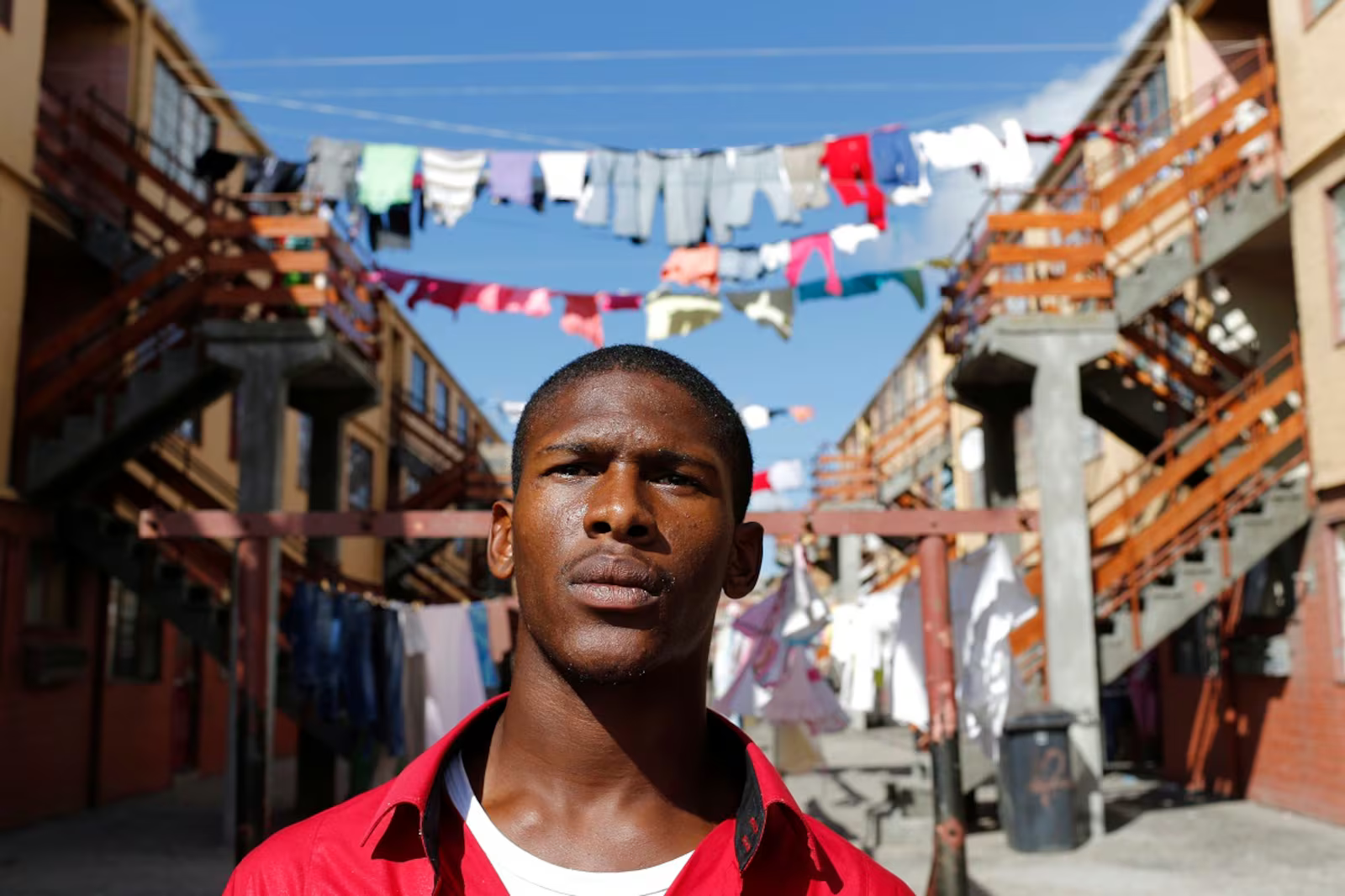
Between 2020 and 2030 Africa's youth population is projected to grow by 132 million — the largest increase in its history. Whether that becomes a dividend or a deficit depends on the choices being made now.
Originally published on Business Day on 21 November 2025. Africa is entering a defining decade for its youth. According to World Data Lab, between 2020 and 2030 the continent's youth population — those aged 15–35 — is projected to grow by 132 million, the largest increase in its history. While much of the world faces ageing populations and shrinking labour forces, Africa's youth numbers continue to surge. This "youth bulge" could become Africa's greatest demographic dividend if it is matched by growth in productive, decent work.
The Africa Youth Employment Clock shows that in 2025 Africa's youth population will reach 532 million, of whom 293 million are employed — a higher employment rate than the global average. Yet the headline figure hides a stark reality: nearly 252 million young Africans work in low-paying, informal agricultural jobs. Even more concerning, 95 million young workers live in extreme poverty, earning less than $2.15 a day. Gender disparities compound the problem; about 96 million African youth are inactive, and of this group around 66 million are young women not participating in the economy.
South Africa's distinct challenge. Within this continental context, South Africa faces one of the toughest youth labour-market challenges. The country's youth population stands at 21.8 million. Only 7 million are employed — an employment share of just 32.5%, far below the African average. In contrast, 6.8 million South African youth are students, a slightly higher share than across Africa. But South Africa also has 8.1 million young people who are not in employment, education or training — one of the highest proportions globally.
Unemployment is the key driver of this crisis. About 3.7 million young South Africans are actively seeking work but cannot find it — roughly three times the continental average. Another 4.4 million are inactive. The gender gap is striking: among youth aged 15–35, about 5.9 million men are employed compared with 2.9 million women. Men dominate sectors such as industry (78% male) and agriculture (71% male), while services are more balanced.
Some reasons for optimism. South Africa has one of the most formalised labour markets in Africa, with more than 3.8 million formally employed young people — second only to Lesotho. Educational attainment is also high: nearly all South African youth (98%) have completed primary school. Around 17.7 million live in households earning more than $3.20 per day (in 2017 PPP terms), one of the highest shares on the continent. But these strengths exist alongside a structural weakness: the informal sector is unusually small, constrained by limited credit access, high crime, spatial barriers and regulatory hurdles.
Sectoral shifts and missed opportunities. Between 2015 and 2025 youth employment in South Africa's industrial sector is estimated to have fallen by 25%, while countries such as Rwanda, Zimbabwe, Senegal and Nigeria have seen industrial youth employment double or triple over the same period. Across Africa, the services sector is projected to overtake agriculture as the main source of youth jobs by 2030 — yet the continent faces a critical skills deficit. Fewer than 53 million young Africans (less than one in 10) have completed tertiary education. Digital skills are emerging as a key differentiator: only about 90 million African youth possess basic digital literacy, compared with about 38% of young people elsewhere.
Turning the tide. To harness Africa's demographic wave — and to tackle South Africa's youth unemployment crisis — policymakers must act decisively: align education and digital skills with the evolving structure of labour markets; complement formal job creation with targeted efforts to include youth currently locked out of both the formal and informal economies; deploy wage subsidies, entrepreneurship financing and digital infrastructure investment; and reduce barriers to informal sector activity. Africa's youth boom can either fuel prosperity or deepen exclusion. The outcome will depend on whether the continent — and South Africa in particular — can transform demographic potential into inclusive economic opportunity.
Dr Fengler is CEO and Dr Sheoraj senior vice-president at World Data Lab; Bhorat is professor of economics and director of the Development Policy Research Unit at the University of Cape Town.