blog · February 5, 2026
What World Data Lab's data reveals about a more equal world
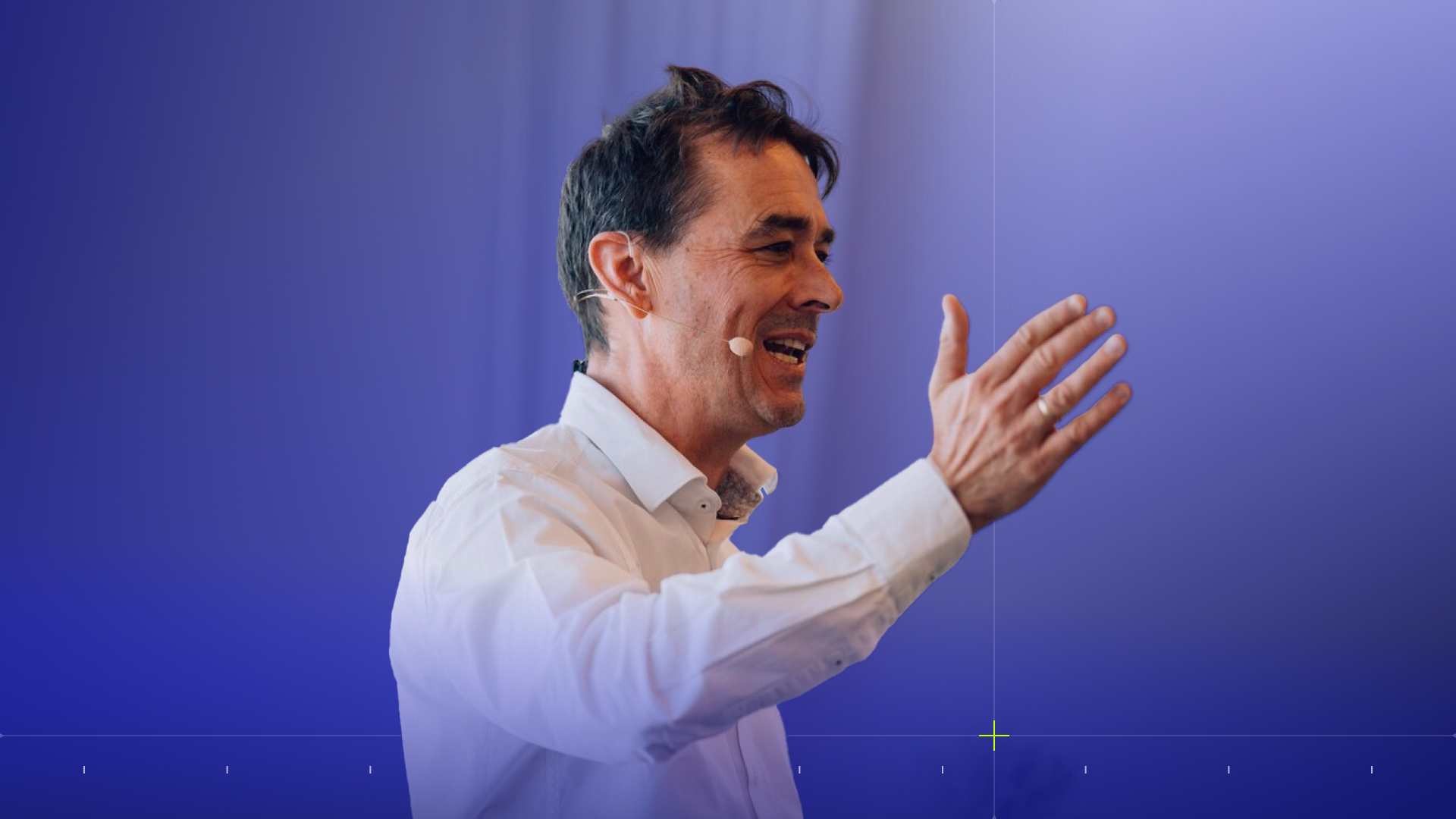
WDL CEO Wolfgang Fengler reflects on a counterintuitive finding from a recent Economist article: despite widespread belief, global consumption inequality has fallen sharply over the past two decades.
A recent article published by The Economist highlighted a counterintuitive insight drawn from World Data Lab data: despite widespread belief, global consumption inequality has fallen sharply over the past two decades. World Data Lab CEO Wolfgang Fengler reflects on what this shift really means, and why consumption tells a very different story about how people live, spend and progress.
What stood out most about how the Economist framed the inequality story? Wolfgang: "What struck me most is how different long-term trends are from public perception. The dominant view is that the world is becoming more unequal and unfair. That perception isn't entirely wrong; wealthy individuals have done very well. But what's often overlooked is that many people who are not wealthy have also seen significant improvements in their living standards over the past 25 years — largely because poorer countries, especially in Asia, have grown faster than richer ones. India and China alone account for more than a third of the world's population, and sustained growth there has had a powerful equalising effect globally."
Why does the idea that the world is becoming more unequal remain so dominant? Wolfgang: "People focus on headlines rather than trend lines. Wealth is highly visible — private jets, luxury lifestyles, billionaires dominate the media. What doesn't make headlines is slow, steady progress: hundreds of thousands of people escaping poverty each day in countries like Vietnam will never trend on social media. There's also a mistaken belief that if the rich are doing well, others must be doing worse. In reality both can happen at once."
Why is consumption often a more meaningful lens than wealth? "Consumption reflects daily life — housing, food, transport, energy, clothing. It shows how people live today, not what they might accumulate over decades. Wealth accumulation requires surplus income and participation in financial systems — that applies to perhaps three billion people. To understand how all eight billion people live and progress, consumption is the more relevant measure."
What does the convergence of global spending patterns tell us? "The centre of gravity of global consumption has moved. Today, roughly 4.5 billion people are middle class or above, and more than half of them live in Asia — and not just China and India. Around 80% of new consumers entering the global market are in Asia."
What do business and policy leaders risk misreading if they focus only on wealth inequality? "They underestimate people's ability to participate in markets. Consumers in emerging economies may not buy premium products in the same way as Western consumers, but they are active, adaptive and increasingly able to pay — often in smaller, more flexible formats. Relying on outdated or overly aggregated data leads to missed opportunities."
How should this change the way CEOs think about long-term strategy? "Emerging markets must be viewed as a core part of global strategy, not an afterthought — and strategy needs to move beyond country-level thinking to city-level and segment-level analysis. Most importantly, decisions shouldn't rely solely on historical data. Leaders need a consistent, forward-looking view of consumer demand."
Looking ahead, what questions should decision-makers be asking? "In a turbulent world, it's important to recognise that progress is still happening. Global consumption inequality is moving in the right direction. The key question is whether organisations have a consistent, comparable, forward-looking view of consumer demand across all the markets they operate in. With the right data model, leaders can reduce bias, move faster and make better long-term choices."